


Over the past few months, Garment Kelsa – Women and Work has been screened in a variety of spaces, including university classrooms, local community centres in Bengaluru, and even the headquarters of a brand in Germany. Each screening has opened up room for honest reflection. Some audiences sat in silence, unsure where to begin. Others dove straight into tough questions. What does it mean to pay a living wage? What changes when a woman garment worker learns her rights? Are international boycotts helpful, or do they make things harder for workers?
What we have seen is that this isn’t just a film. It’s a way to start important conversations. People want to understand how global supply chains operate, how caste and gender shape the lives of garment workers, and how their own roles as students, consumers, or employees connect to this system. If you are part of a campus group, civil society organisation, or company looking to hold a meaningful discussion about work, justice, and responsibility, this screening is one way to begin.
What is Garment Kelsa – Women and Work?
This documentary brings to light the untold stories of women garment workers in Bengaluru, whose labour powers the global fashion industry but whose lives remain entrenched in poverty, insecurity, and systemic discrimination. Based on Cividep’s research report The Home and the World of Work, the film sheds light on the invisible burdens women shoulder — unpaid domestic work, poorly paid factory jobs, and unsafe working conditions — all shaped by the intersections of gender, caste, and class.
Why This Matters
In a country where fashion promises freedom and empowerment, the reality for the women stitching our clothes is far from glamorous. This screening initiative challenges viewers to reflect on critical questions:
- What is the true value of women’s work?
- Why do poverty and gender injustice persist in India’s booming garment industry?
- What role can we all play in building a fairer economy?
Igniting Conversations and Action:
Each screening will be followed by a participatory discussion that:
- Unpacks the intersections of gender and class in labour conditions
- Links global supply chains to everyday consumer choices — sourcing, shopping, policymaking
- Empowers participants to take tangible actions: from advocating for ethical procurement policies to engaging in awareness campaigns, research, and making donations
Tailored to Your Audience:
- NGOs & Coalitions: Deepen advocacy and foster solidarity across social movements
- Universities: Spark critical thinking and academic discussions in sociology, labour studies, media, and fashion departments
- Corporates & CSR Teams: Inform sustainability strategies, women and youth empowerment, supplier engagement, and ethical sourcing policies
What You Can Do: Host a Screening
We invite student groups, academic departments, NGOs, and ethical brands to organise one-time, donation-based screenings, available both online and in-person.

What You’ll Receive
- Access to the full (45-min) or short (25-min) version of the film
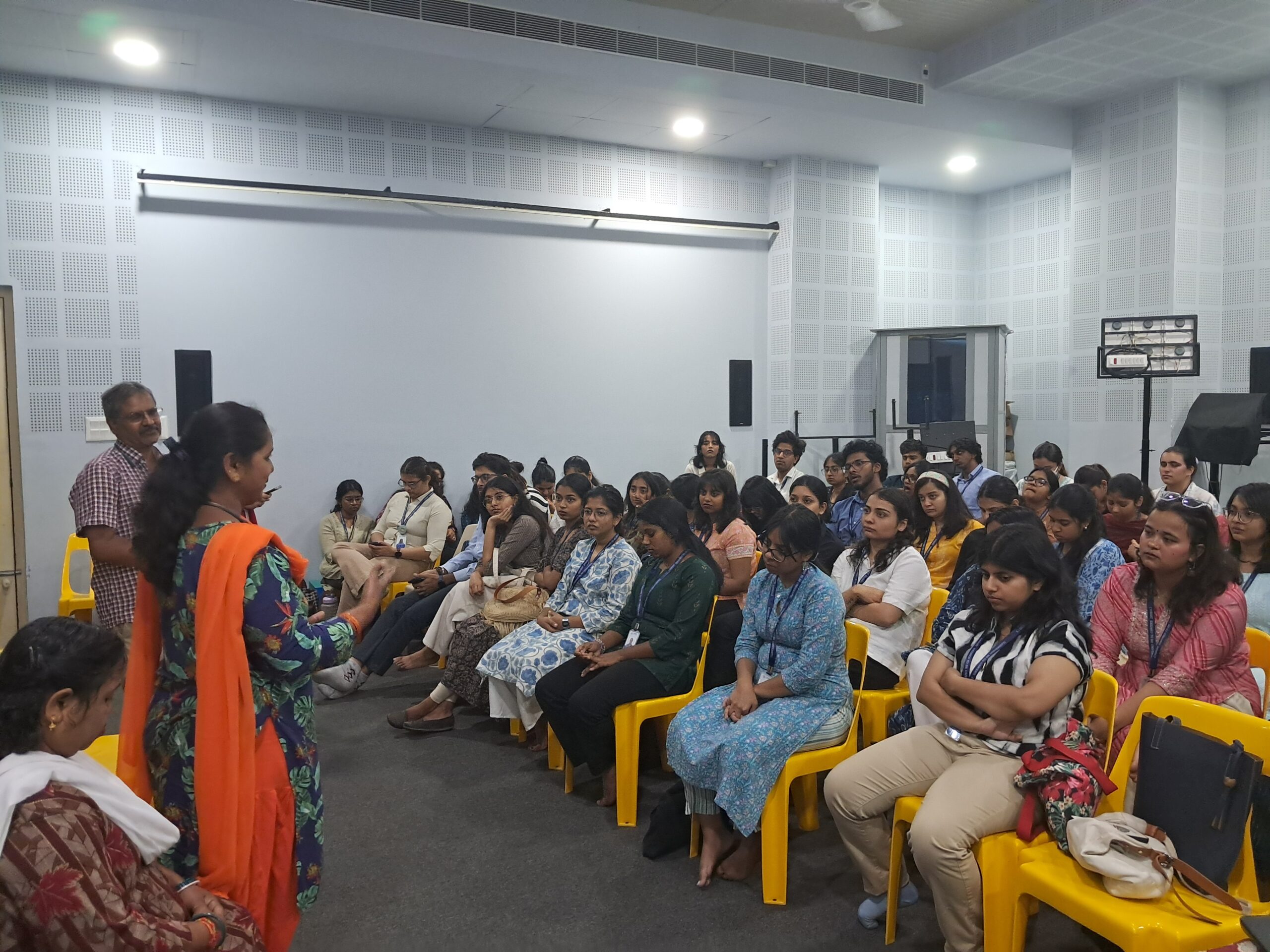
- Option for a Q&A session with garment workers or Cividep facilitators
- Digital promotional kit: Posters, social media creatives
[Garment workers (left) share their experiences with media students at Christ University, Bengaluru, during the post-screening discussion]
Suggested Donations
| Type of Host | Contribution | Includes |
| Student Groups/NGOs | ₹5000 | One screening sliding scale available (₹3000 – ₹7000) |
| Academic Institutions | ₹7000 | Up to 2 screenings within 6 months |
| Brands/Corporates/CSR Teams | ₹18000 and above | Up to 3 screenings + Interactive Q&A with Cividep facilitators |
Note: For organisations interested in hosting multiple screenings or seeking customised engagement, we offer tailored packages. Please contact us to discuss options that best suit your needs.
Why Partner with Cividep?
- Grounded: Over 20 years of direct work with garment workers in Bengaluru and Tamil Nadu.
- Respected: A trusted voice in labour rights and ethical trade circles across India and globally.
- Effective: We support real, worker-led change through advocacy, legal aid, and education.
- Flexible: Screenings tailored to your audience — online or in-person.
Why Now? Why Cividep?
India’s garment sector is booming, but workers remain vulnerable:
- 2025 Budget promises ₹4 lakh crore turnover & 22 lakh new jobs
- But workers are still facing unsafe factory floors and exploitation, with trade uncertainty and tariff hikes pushing costs onto them.
Cividep has been standing with workers for the past 25 years. Our Centre in Bengaluru supports 1,000+ women workers annually, helping them access rights and providing resources for legal aid, grievance filing, and leadership development.
Ready to Join?
- Express Interest: communications@cividep.org
- Watch the Trailer: https://www.youtube.com/watch?v=nu44hKcHx-s
- Donate & Support: cividep.org/donate
Let’s turn empathy into action. Together, we can stitch justice into the fabric of the fashion industry.

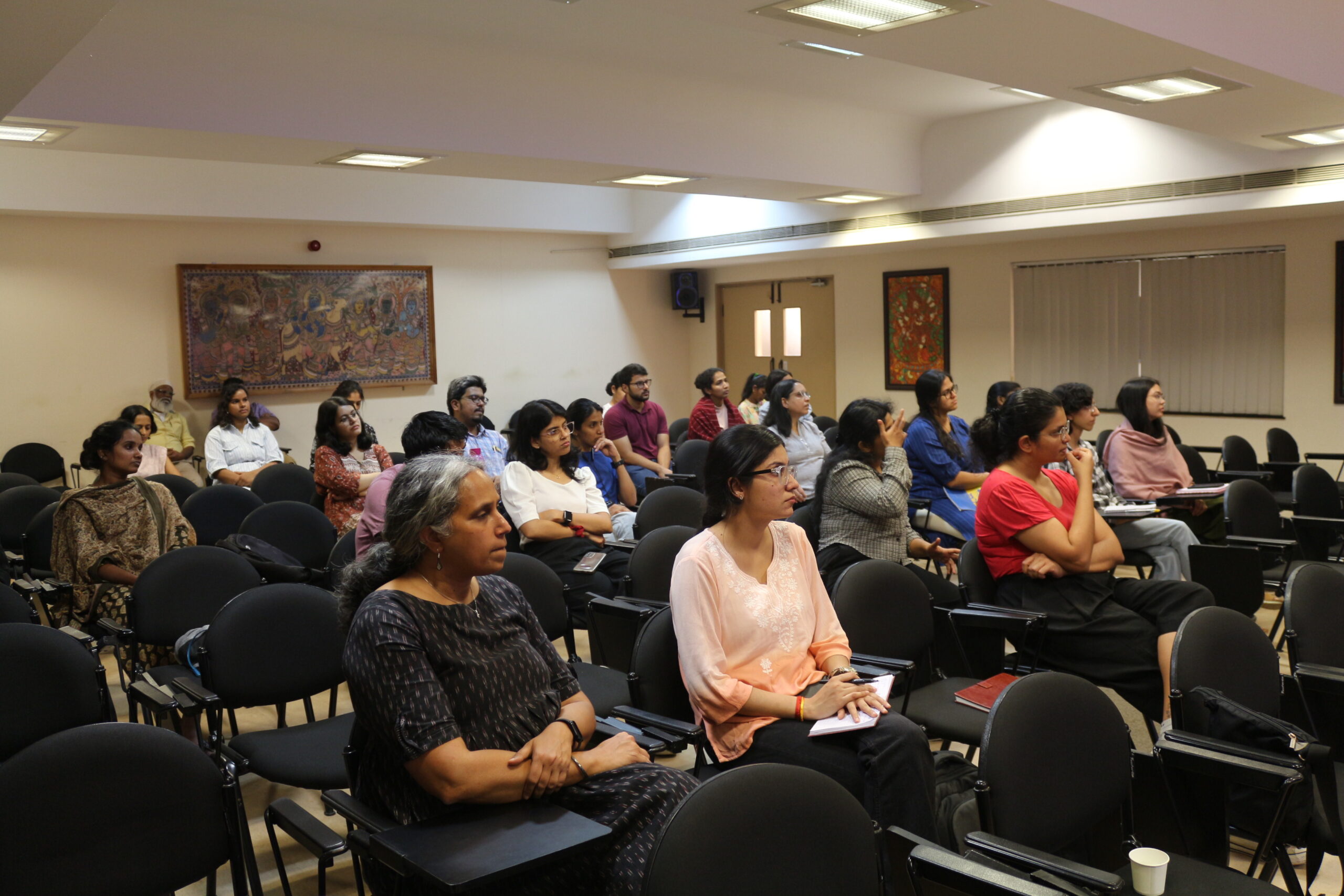
[Audience members reflect on the film during the screening at the National Institute of Advanced Studies, Bengaluru]
FAQs
- Is this documentary legally cleared for public screenings? Yes. Cividep India owns the rights and has secured informed consent from participants, with necessary ethical reviews to protect identities.
- Could screenings put garment workers or hosts at risk? We mitigate risks by providing discussion guidelines to avoid naming specific brands or individuals. Virtual Q&As are available for corporate/university screenings.
- What if my organisation can’t afford the suggested donation? We offer flexible pricing for grassroots NGOs and student groups. Contact us to discuss options – accessibility is our priority.
- How can companies screen this without reputational risks? We frame discussions as collective problem-solving. The film highlights systemic issues and invites brands to share their own sourcing challenges and solutions.
- Can we edit or shorten the film? No, to preserve the film’s integrity.
- How will donations be used? Donations support Cividep’s worker empowerment work, including support and training programmes. A financial transparency report is available on request.
- What technical support is provided? We provide a high-resolution digital file (with subtitles), and optional pre-event consultations for moderators.