Author: Nikita Joseph

Reimagining HRDD: Centering Impact and Outcome for Workers’ Rights

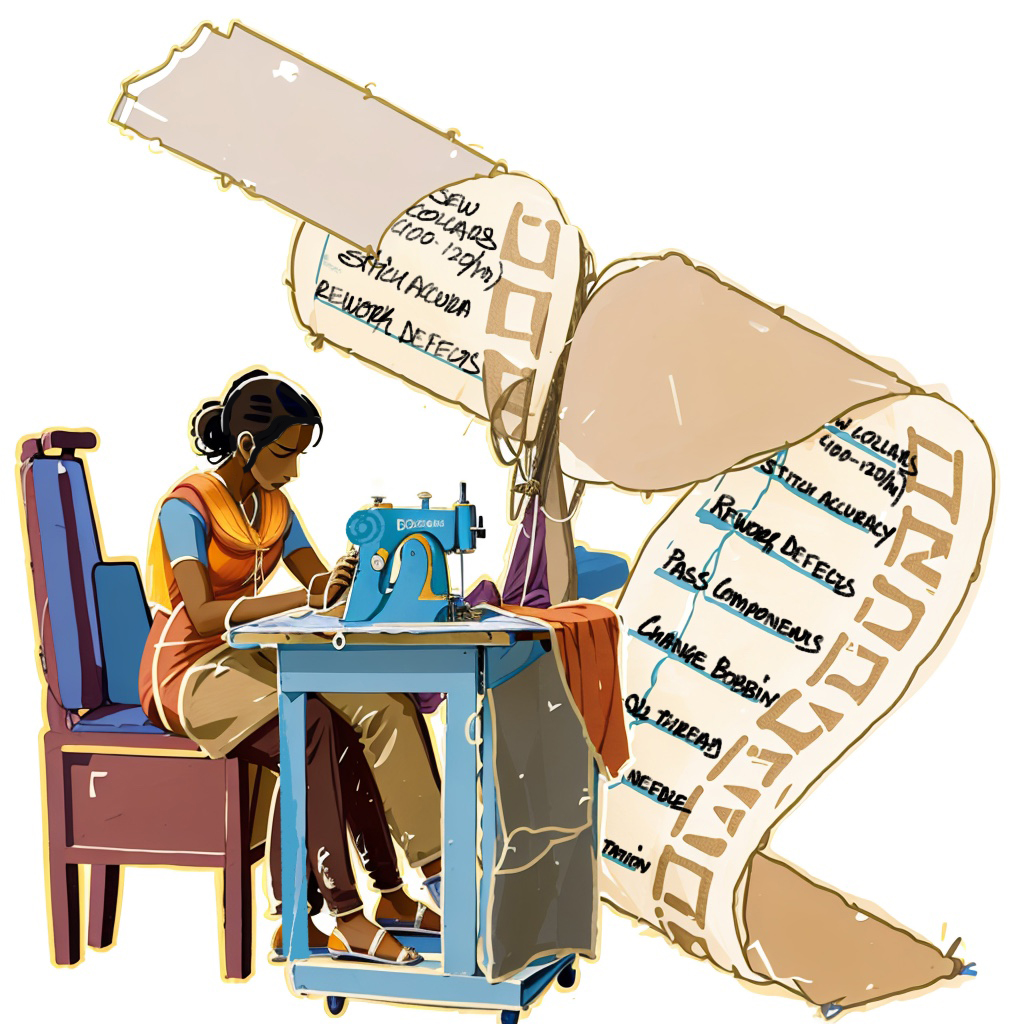
Cividep India’s new study reveals how global fashion brands’ purchasing practices — including price suppression and shrinking lead times — create systemic pressures that translate into unpaid overtime, wage violations, and workplace abuse for garment workers in India. The research reframes brand accountability through the lens of monopsony power, arguing that meaningful Human Rights Due Diligence (HRDD) must go beyond compliance checklists to deliver measurable improvements in labour rights and working conditions.

Read More
Respect Over Rupees: How One Garment Factory Prioritised Workers (and Earned Their Loyalty)

In a world of fast fashion and high turnover, Namasthe Garments defied the odds. For over 40 years, workers here stitched together not just garments, but a life of dignity. Respectful treatment, achievable targets, and a supportive management nurtured a loyal workforce, even with minimum wage salaries. Now, as the factory shuts down, its legacy of prioritizing people over profits remains an inspiration. This story explores the unique culture Namasthe cultivated, and the impact it had on the lives of its workers.

Read More

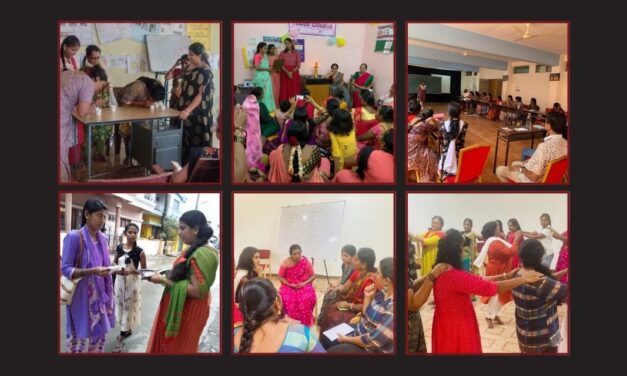
The Rise of Garment Worker Leaders in Bengaluru

A Cividep-Azim Premji Foundation program empowered Bengaluru garment workers. Over three years, 600 workers gained leadership and communication skills, enabling them to fight for better pay, working conditions, and healthcare. Worker Resource Centers provided support and education, fostering solidarity and replacing fear with confidence. This program not only created leaders but also improved mental wellbeing through access to counselling.

Read More

A Decade of Strides: Worker Voices Resonate In Ambur

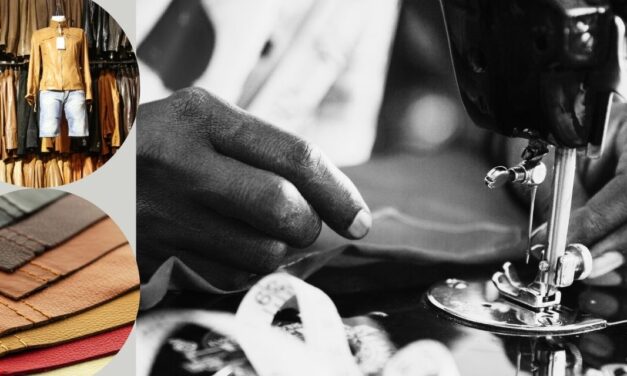
Cividep marks a decade in Ambur, South India’s leather manufacturing hub, supporting low-wage workers, championing their rights and creating a wave of awareness and change. Our story intertwines with those of the workers, like Soniya, whose lives have been transformed through empowerment and advocacy through outreach activities. Navigate through this journey of challenges, strategies, and triumph.

Read More

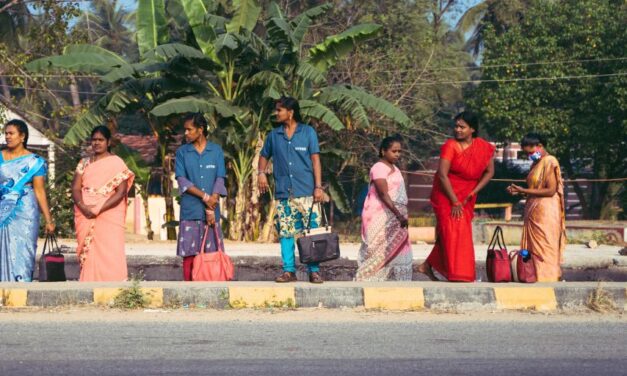
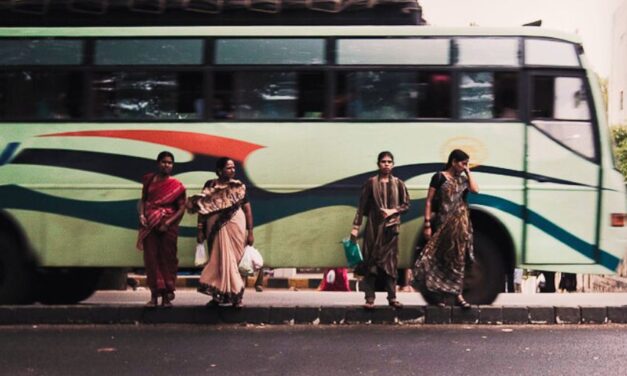
Not Quite a Free Ride For Women Workers On Buses

The article delves into the hurdles encountered by Bengaluru’s low-wage garment workers in benefiting from the Shakti scheme that provides free travel for women in government buses. Owing to connectivity challenges and limited bus services, the reliance on alternative transportation methods remain. It emphasizes the scheme’s potential impact on women’s mobility and labor force participation, and brings out the need for improved last-mile connectivity nad frequency of buses.

Read More
  • 1
  • 2
Loading...
X