Author: Cividep India

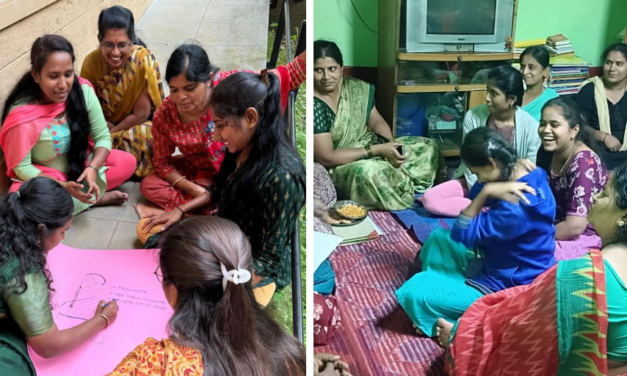
Field Diary – The Women Behind Ambur’s Leather

Step beyond the spreadsheet and into the lives of the women in Ambur’s leather industry. This field diary reveals their quiet resilience, the gap between policy and practice, and the urgent need for fair wages and safe working conditions. Read their untold stories.

Read More

The Hema We Knew and Loved

T.G. Hemalata, fondly known as Hema, was a cherished member of Cividep from 2007 until March 2023. Before joining Cividep full-time, she worked in the garment industry and as a part-time staff member, bringing with her dedication, warmth, and a deep sense of care. At Cividep, she was more than the cook and housekeeper — she was a steady, comforting presence who nurtured colleagues with her simple, delicious meals, humour, and kindness.

Hema passed away in July 2025 at the age of 52, after a prolonged illness. She is survived by her son, husband, sisters, and many friends who loved her dearly.

Read More

Reel of the Year: Workers Step into the Spotlight

Cividep’s 2024 Annual Report highlights a year of deepening worker engagement, advocacy, and digital empowerment. From social media training for electronics sector workers in Tamil Nadu to large-scale community events and policy-driven research, the report showcases efforts to amplify worker voices, promote fair labour practices, and drive systemic change. As India’s manufacturing sector grows, Cividep continues to bridge the gap between economic progress and worker realities, ensuring access to knowledge, networks, and advocacy for better working conditions.

Read More

7 Worker Stories from 2024 That Reveal the Realities of Our Workplaces

In 2024, stories from women workers revealed the harsh realities of their workplaces, from exploitation and fear to resilience and solidarity. Cividep India, working with thousands of low-wage women workers across garments, leather, electronics, and plantations, brought these voices to light. Amid challenges like production torture, shopfloor abuse, and financial precarity, workers are finding their voices, advocating for fair treatment, and building collective strength. These powerful accounts highlight the urgent need for systemic change and celebrate moments of hope and resistance.

Read More
Loading...
X