Content Type: Insights

A new living wage benchmark for tea workers

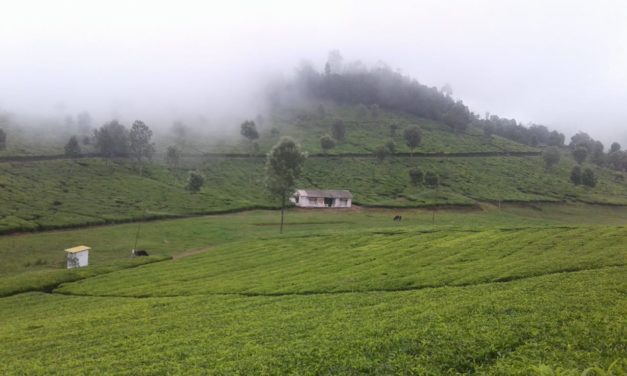
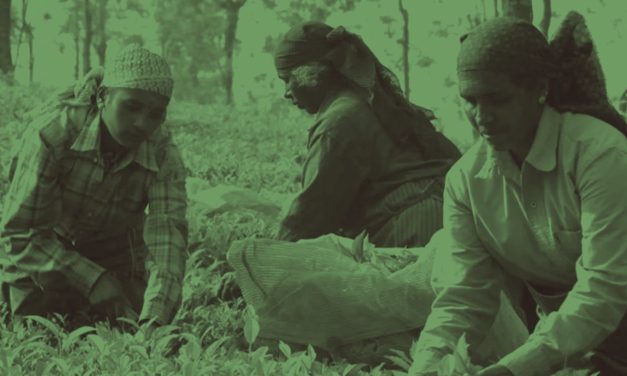
We discuss the concept of a workers’ living wage in the context of tea plantations in the Nilgiris, Tamil Nadu, and compare existing living wage calculations in the light of learnings from a social sustainability study conducted jointly by Cividep India and Finnwatch.

Read More
Human rights due diligence in India’s leather industry: A long way to go

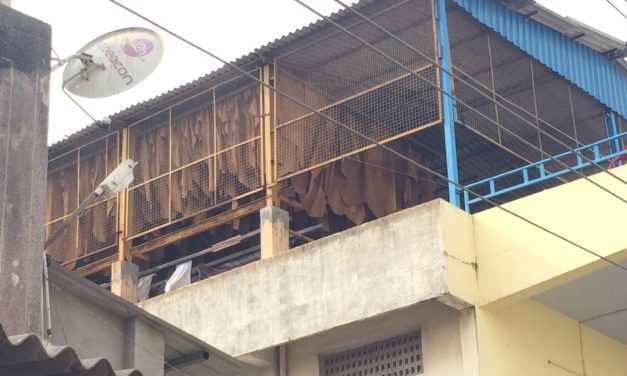
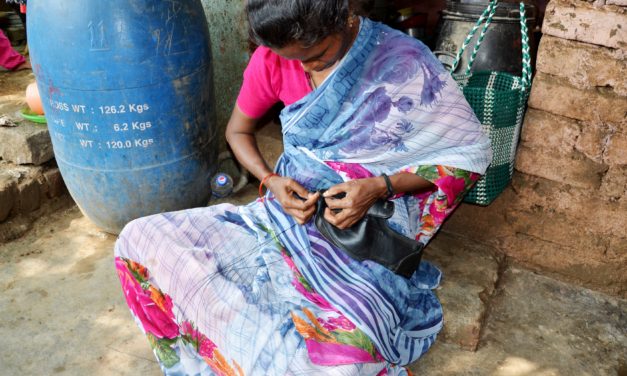
A study by Cividep India, Homeworkers Worldwide, and Ethical Trading Initiative identified adverse labour rights risks and impacts in factories and informal supply chains of leather goods production clusters in India. Companies need to conduct more comprehensive due diligence, involving civil society organizations, in industries such as the export-oriented leather sector in India, with complex and largely unmapped supply chains.

Read More

Home-based work in the time of Covid-19 for women in Ambur

COVID-19 has exacerbated the precarity of working conditions for the leather home workers of Tamil Nadu- with less work, delayed payments, and further scope of exploitation. On International Homeworkers Day 2020, they got together to release a charter of basic demands including formal recognition, minimum wages, and social security. We examine the impacts of COVID on their lives and livelihoods.

Read More

Bitter Brew: Poor working conditions in Nilgiri tea plantations

Plantation workers of the Nilgiris, Tamil Nadu form the backbone of India’s world-famous export-oriented tea industry. We reflect on how they still endure low minimum wage standards, bad housing, and healthcare facilities, roadblocks to effective unionization, double vulnerability as migrants, and overall lack of access to a decent quality of life. 

Read More
Loading...
X