Area of Work: Research

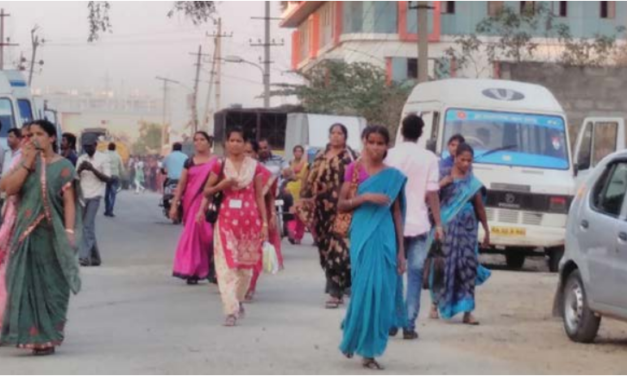
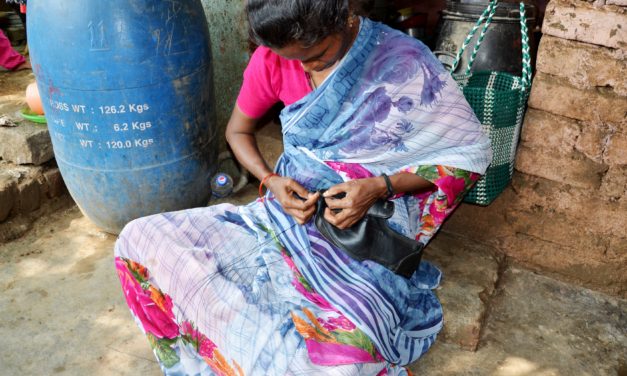
Home-based work in the time of Covid-19 for women in Ambur

COVID-19 has exacerbated the precarity of working conditions for the leather home workers of Tamil Nadu- with less work, delayed payments, and further scope of exploitation. On International Homeworkers Day 2020, they got together to release a charter of basic demands including formal recognition, minimum wages, and social security. We examine the impacts of COVID on their lives and livelihoods.

Read More
Realities of home-based labour in India’s leather sector

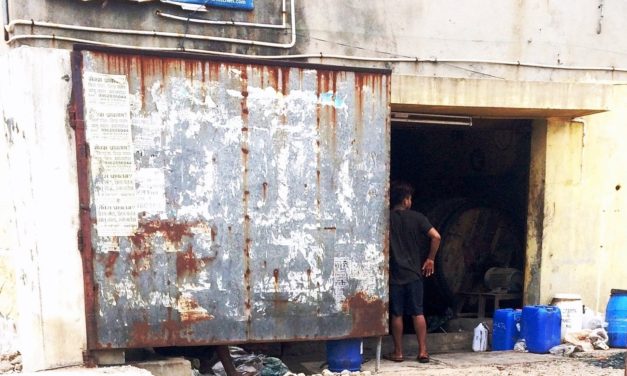
In collaboration with the Business & Human Rights Resource Centre, we contributed to a blog miniseries on the plight of invisible homeworkers in global supply chains. In a set of two articles, we discuss the importance of worker collectivization and the criticality of more rigorous due diligence by brands for enabling improvements in complex supply chains.

Read More

Bitter Brew: Poor working conditions in Nilgiri tea plantations

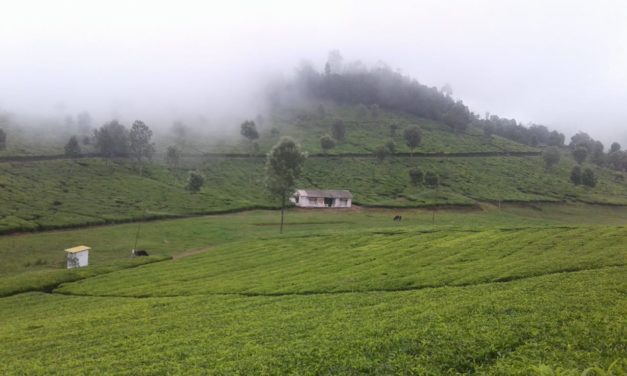
Plantation workers of the Nilgiris, Tamil Nadu form the backbone of India’s world-famous export-oriented tea industry. We reflect on how they still endure low minimum wage standards, bad housing, and healthcare facilities, roadblocks to effective unionization, double vulnerability as migrants, and overall lack of access to a decent quality of life. 

Read More

A Feature on the 2019 Fair Finance India Scorecard

The Fair Finance India report 2019, co-authored by Cividep, finds mention in this feature by Deccan Herald. This report assesses the policies and practices of eight top Indian banks, and analyses snd rates their performance against various environmental, social, and governance standards. This is sought to encourage Indian banks to set in place transformational policies that will pave the way for sustainable, responsible, and fair finance.

Read More

Podcast on migrant workers in Bangalore’s garment industry

Deepika Rao of Cividep India talks to the Institute for Human Rights and Business in this podcast on the living and working conditions of migrant workers in Bangalore’s garment industry, the numerous ways in which they are denied their rights and entitlements due to their vulnerabilities as outsiders in an alien city.

Read More
Loading...
X