When Will Leather Brands Pay Living Wages?
Pradeepan Ravi explains why brands shouldn’t ignore international standards on wages.
Read More
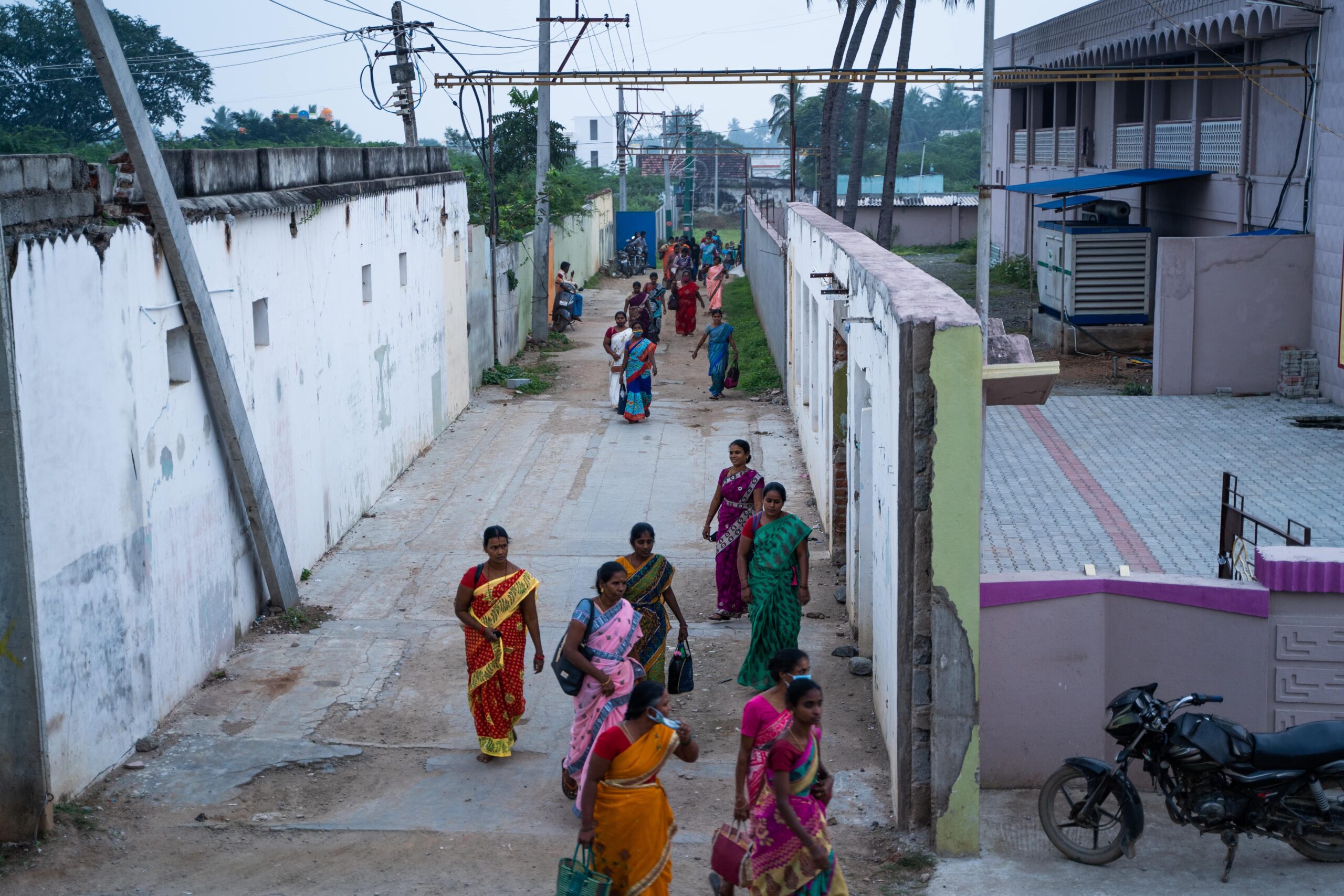
Pradeepan Ravi explains why brands shouldn’t ignore international standards on wages.
Read More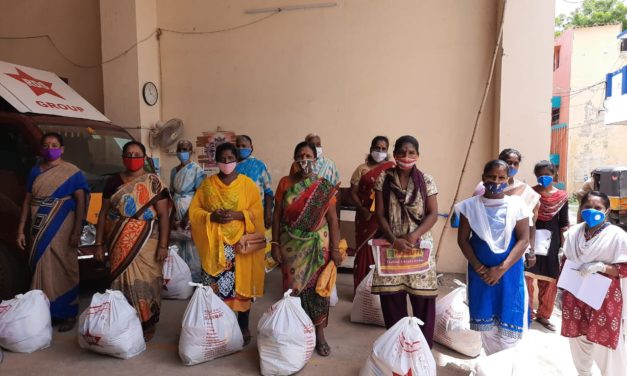
This article highlights the main findings of a research study conducted by Cividep and its partners INKOTA, Sudwind, and SLD to assess the impact of the unprecedented lockdowns in 2020 on the lives of leather sector workers of Ambur, Tamil Nadu. Cividep’s relief measures to help alleviate the workers’ distress are also described here.
Read More
On completion of 25 years of the International Labour Organisation’s (ILO) Homework Convention (177), which calls for protection and equal rights to all homeworkers, the ILO have published a comprehensive report about homeworking. Included within this report is a case study of the work that Cividep undertook in collaboration with Homeworkers Worldwide and Pentland Brands.
Read More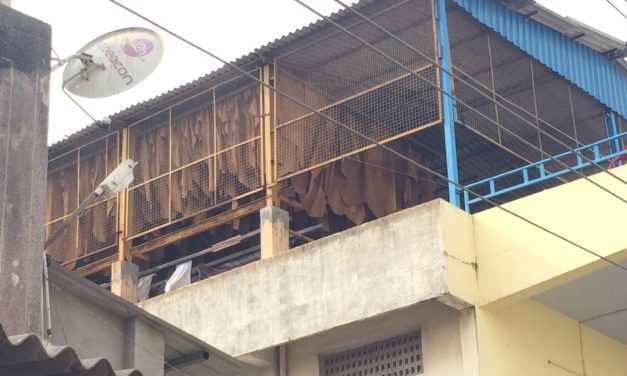
A study by Cividep India, Homeworkers Worldwide, and Ethical Trading Initiative identified adverse labour rights risks and impacts in factories and informal supply chains of leather goods production clusters in India. Companies need to conduct more comprehensive due diligence, involving civil society organizations, in industries such as the export-oriented leather sector in India, with complex and largely unmapped supply chains.
Read More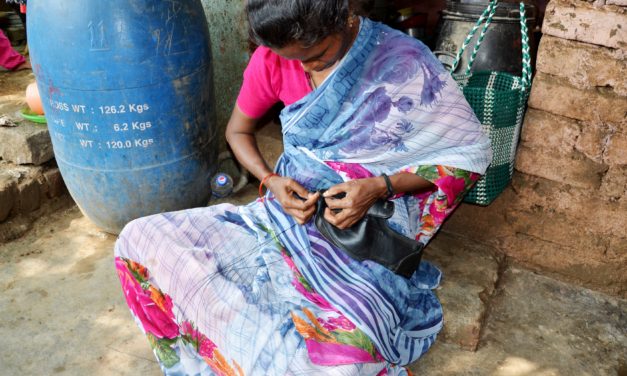
COVID-19 has exacerbated the precarity of working conditions for the leather home workers of Tamil Nadu- with less work, delayed payments, and further scope of exploitation. On International Homeworkers Day 2020, they got together to release a charter of basic demands including formal recognition, minimum wages, and social security. We examine the impacts of COVID on their lives and livelihoods.
Read More