
Category: Garment
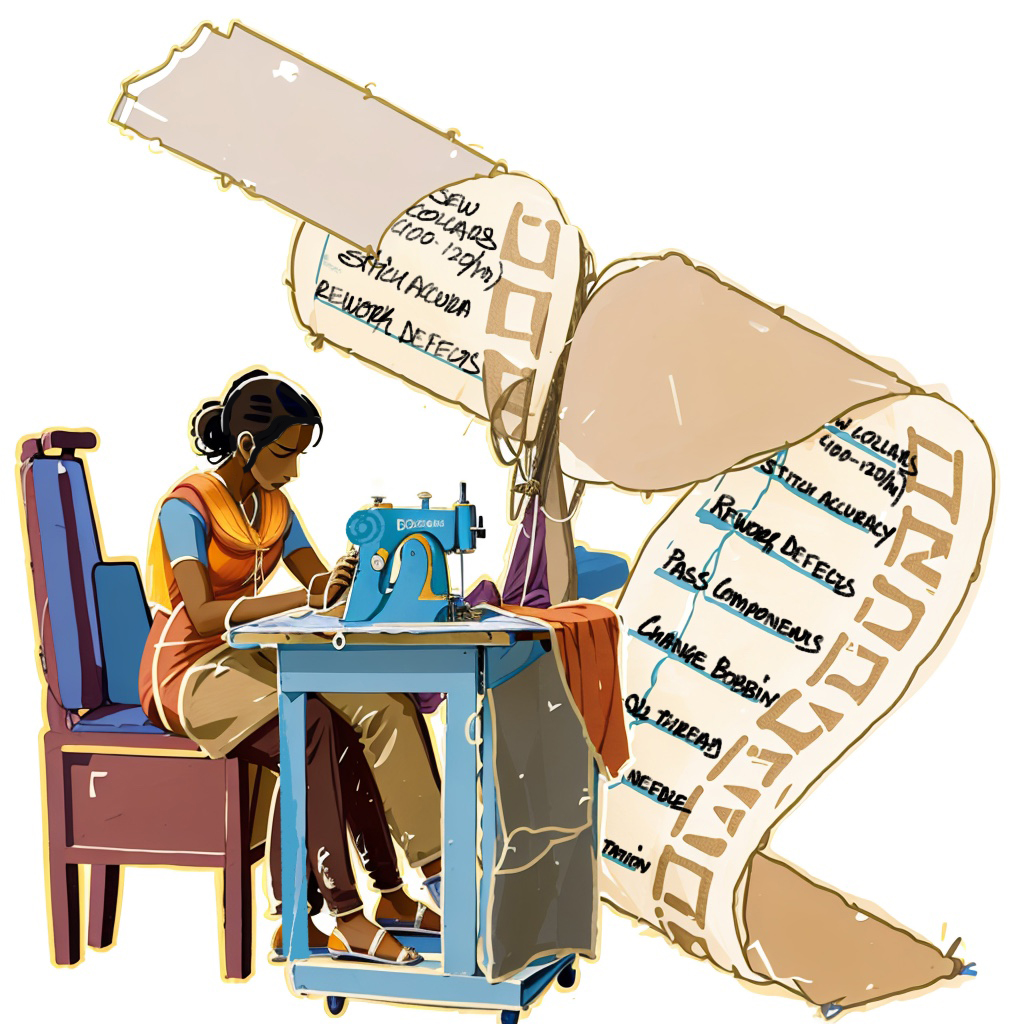
Reimagining HRDD: Centering Impact and Outcome for Workers’ Rights
Cividep India’s new study reveals how global fashion brands’ purchasing practices — including price suppression and shrinking lead times — create systemic pressures that translate into unpaid overtime, wage violations, and workplace abuse for garment workers in India. The research reframes brand accountability through the lens of monopsony power, arguing that meaningful Human Rights Due Diligence (HRDD) must go beyond compliance checklists to deliver measurable improvements in labour rights and working conditions.
Read More
‘Just One Sunday to Sleep’
Lakshmi’s two decades in Bengaluru’s garment factories reveal how long hours and rising production targets leave women workers exhausted, with no time to rest or recover
Read More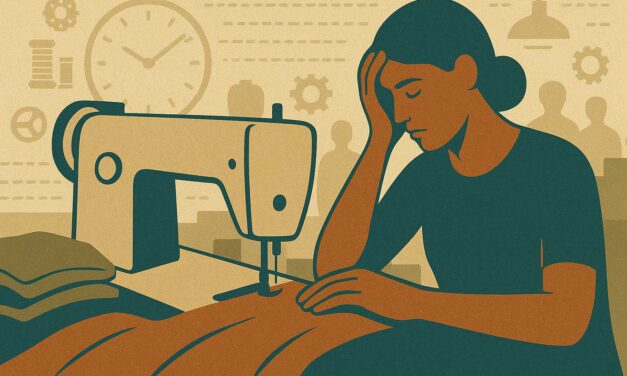
‘I Am Not A Machine’
With Factory Shifts Extended, Women Garment Workers Say Even Small Rituals of Rest Have Vanished From Their Day. Ground Reports from Cividep India.
Read More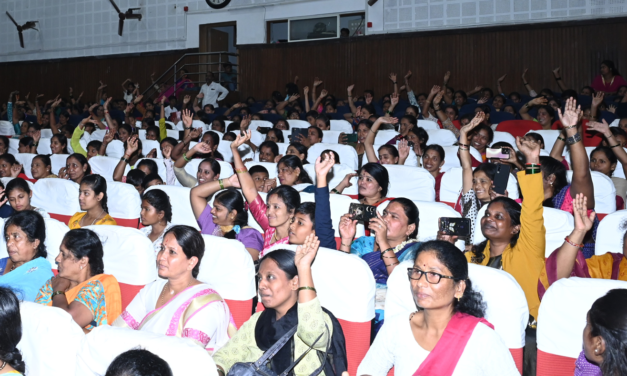
600 Women Garment Workers Unite in Bengaluru Forums for Dignity and Rights
In August 2025, more than 600 women garment workers gathered at two Bengaluru forums organised by Cividep India and partner groups seeking dignity at work and strengthening workers’ collective voice.
Read More
‘I Don’t Even Get Time For Coffee’
With Factory Shifts Extended, Women Garment Workers Say Even Small Rituals of Rest Have Vanished From Their Day. Ground Reports from Cividep India.
Read More
From Factory Floor to Film: Why Garment Kelsa Matters
Over the past few months, Garment Kelsa – Women and Work has been screened in a variety of spaces,...
Read More
‘No One Listens To Us’: The Emotional Toll of Work on Women Garment Workers
Anxiety, exhaustion, and silent suffering — women garment workers face pressures that chip away at their emotional well-being. This isn’t just stress. It’s what happens when production takes priority over people. This blog explores what needs to change — and why all of us should care.
Read More
Proposed Revision Of Minimum Wage in Karnataka: Time to implement a Need-Based Minimum Wage?
A proposed revision to raise Karnataka’s minimum wage to ₹20,000 reignites the debate on what truly constitutes a fair, need-based wage. Drawing from decades of legal and policy frameworks, this article examines how far current wages—especially in the state’s garment sector—fall short of established norms, and why it’s time to bridge the gap between principle and practice.
Read More
Field Diary – Balancing Health and Hustle
In this edition, we explore how health and safety efforts are shaping the lives of factory and home-based workers across Tamil Nadu. From a follow-up health camp offering nutritional support, to gender-sensitive safety workshops and the toll of 24/7 production, these stories highlight the delicate balance between well-being and livelihood. With firsthand updates from communities, this snapshot captures both progress and persistent challenges in worker welfare.
Read More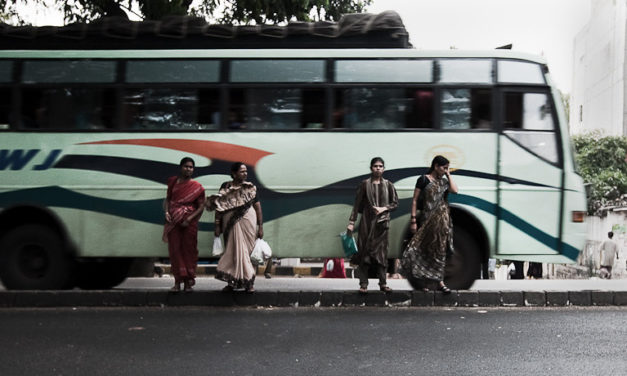
Fourteen Years On: Has Anything Changed for Karnataka’s Garment Workers?
A photo series featuring the everyday lives of garment workers, and the consequences of labouring under an exploitative system – with abusive supervisors, sexual harassment, long and unaccounted for overtime work, medical negligence, and much more.
Read More
Reel of the Year: Workers Step into the Spotlight
Cividep’s 2024 Annual Report highlights a year of deepening worker engagement, advocacy, and digital empowerment. From social media training for electronics sector workers in Tamil Nadu to large-scale community events and policy-driven research, the report showcases efforts to amplify worker voices, promote fair labour practices, and drive systemic change. As India’s manufacturing sector grows, Cividep continues to bridge the gap between economic progress and worker realities, ensuring access to knowledge, networks, and advocacy for better working conditions.
Read More
Can Dialogue Make a Difference?
Can structured dialogue improve workplace relationships in garment factories? Cividep India’s pilot project facilitated discussions between workers and management in Karnataka, uncovering key challenges like power asymmetry and lack of worker representation. While some positive outcomes emerged, sustaining dialogue requires long-term commitment from brands, factory management, and policymakers. Read on to explore the lessons learned and recommendations for fostering meaningful workplace dialogue.
Read More